
How Short Videos Became Our New Language
We don’t just watch Reels - we reply with them, react to them, and share them like a new form of conversation. How did short videos become the way we interact? Let’s dive in.

The Rise of the Creator Economy: How Reels and TikTok Changed How We Connect
Instagram’s CEO, Adam Mosseri, recently shared that Instagram is developing a new feature called ‘Blend’- a private feed of Reels recommended for you and a friend, keeping DMs focused on their original purpose. This got me thinking about how Reels have disrupted the way we connect. Now, sharing Reels back and forth with friends and reacting has become part of our daily communication, almost like a new form of conversation.
But this shift is part of something bigger - how short-form content has taken over our screens, how platforms are competing to keep us engaged, and how marketing, video editing, and even music industries have reshaped. In this deep dive, we’ll explore:
How short videos changed content consumption.
How TikTok’s algorithm actually works.
How people became famous overnight
How we have ‘TikTok songs’ now.
What’s next for content creation?
Let’s break it down.
The Evolution of Short-Form Video
Instagram introduced Reels in response to TikTok’s meteoric rise, which revolutionized short-form, vertical videos. But why did TikTok choose vertical videos in the first place? The answer lies in user behavior. People naturally hold their phones vertically, and TikTok wanted to optimize for seamless, one-handed scrolling. Unlike YouTube, which was designed for landscape viewing and longer watch times, TikTok prioritized quick, immersive content consumption - ensuring videos filled the entire screen and captured attention instantly.
Beyond format, TikTok also diverged from Instagram and YouTube in how it recommended content. While Instagram and YouTube rely heavily on a user’s long-term history - what they have searched, liked, subscribed to, or engaged with over time - TikTok took a different approach. Instead of prioritizing past behavior, it focused on real-time engagement signals. This meant that every interaction, whether it was watching a video to the end, rewatching it, liking, commenting, or sharing, would immediately shape the For You feed. This engagement-first model allowed TikTok to rapidly identify trends, surface fresh content, and push new creators into virality far faster than other platforms.
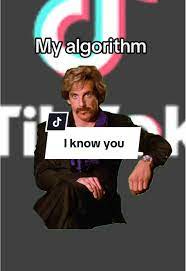
The Science Behind TikTok’s Algorithm
This wasn’t random. ByteDance, the company behind TikTok, was founded in 2012 and quickly became a leader in AI-driven content distribution. One of its first major successes was Toutiao, a news aggregation app that changed how people consumed information. Instead of users actively searching for news, Toutiao’s algorithm analyzed reading habits, engagement patterns, and user preferences to deliver a customized feed. ByteDance applied this same approach to short-form video. TikTok’s algorithm analyzes real-time user interactions - including watch time, replays, likes, comments, shares, and even the speed at which a user scrolls past a video - to refine recommendations instantly.
The result? TikTok doesn’t just show you content - it predicts what will keep you watching. It continuously learns from micro-interactions, tracking and leveraging every move you make to refine your feed in real time.
The Power of the Algorithm: From Unknown to Viral Overnight
One of TikTok’s most disruptive features is how it democratized virality. Unlike traditional social platforms, where follower count determined reach, TikTok allowed any creator - regardless of audience size - to go viral based purely on engagement. But it isn’t just about becoming popular. It’s what came after that disrupted the market.
The Creator Economy or The Influencer Era
This algorithm-driven ecosystem led to the rise of the creator economy, where individuals monetize content through:
Brand partnerships: Companies collaborate with creators instead of relying solely on traditional ads.
Live streams & virtual gifts: Direct audience support fuels new monetization models.
Commerce integrations: Social shopping and affiliate marketing have blurred the line between entertainment and retail.
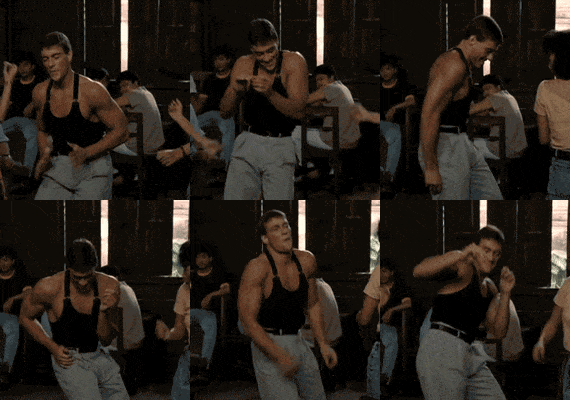
Brands quickly adapted. In the past, a company like Volvo needed an expensive production featuring Jean-Claude Van Damme’s Epic Split stunt to make waves. Today, they can reach just as many (if not more) people by partnering with micro-influencers who create organic, relatable content. Suddenly, the person you went to school with could be reviewing the latest tech gadget, turning influencer marketing into a dominant advertising force.
TikTok’s Disruption of Content Perception
TikTok didn’t just change who creates content - it changed how we engage with it:
Algorithm-Driven Content Discovery: The For You page continuously refines recommendations, exposing users to content they wouldn’t have sought out, shaping new trends and conversations.
Short-Form, Creative Storytelling: Brevity forces creators to be engaging and original. Other platforms followed suit - Instagram with Reels, YouTube with Shorts.
Democratization of Content Creation: Accessible editing tools mean anyone can be a creator. The barriers between professional and amateur content are dissolving fast.
This rapid growth wasn’t just random - it was highly strategic. ByteDance acquired multiple short-video platforms, integrating their best features into TikTok. One major acquisition was Musical.ly, a popular lip-syncing app that had already gained traction in Western markets. By merging Musical.ly’s young, engaged user base with TikTok’s algorithmic prowess, ByteDance solidified TikTok’s dominance in short-form content.
TikTok’s Impact on Music Trends
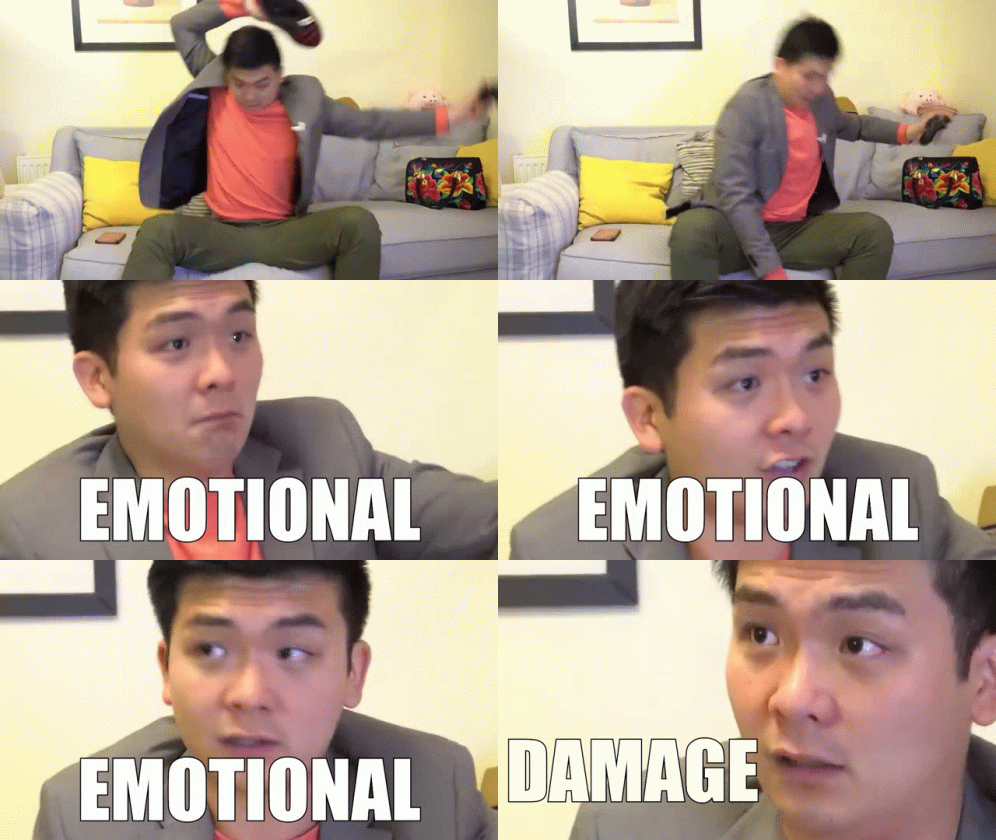
But this is just the beginning. TikTok hasn’t only changed content creation on social media - it has completely reshaped the music industry. Unlike traditional platforms where radio play and streaming services dictated which songs became hits, TikTok allows music to go viral organically. A song doesn’t need label backing or big promotion - it just needs the right moment to take off. Users create trends, dance challenges, and storytelling videos around catchy snippets, making certain songs explode in popularity.
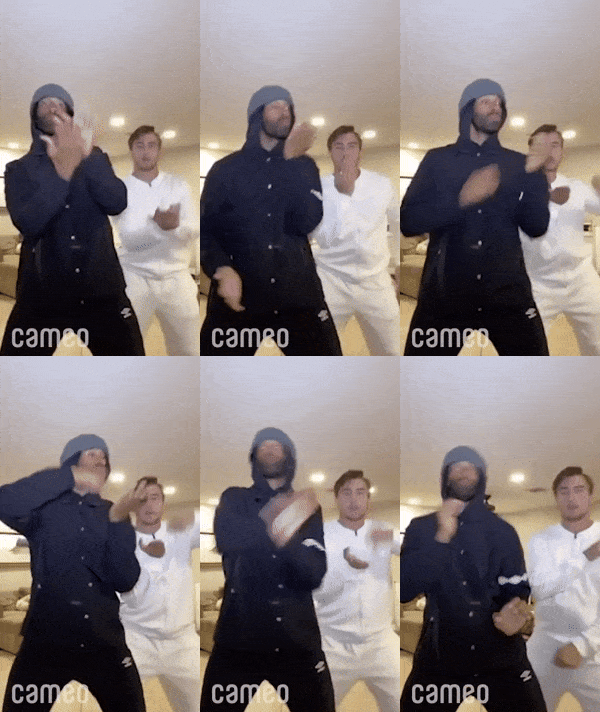
Lil Nas X’s Old Town Road is a perfect example of this. What started as a meme on TikTok turned into a record-breaking hit, staying at No. 1 on the Billboard Hot 100 for 19 weeks ( #yeehaw challenge). Doja Cat’s Say So became a global sensation after a viral dance challenge, proving that TikTok could push songs to the top of the charts. But it’s not just new music - TikTok has also revived older tracks. Fleetwood Mac’s Dreams made a comeback decades after its release, thanks to a single viral video.
The Battle for In-House Content Creation: CapCut vs. Instagram Edit
But this is just the beginning. Social media giants are now in an arms race to keep creators inside their ecosystems. TikTok did this with CapCut, a powerful video editing app that integrates seamlessly with TikTok. Many creators have noticed that videos made with CapCut templates tend to perform well. CapCut templates often use trending sounds, popular memes, and fast-paced edits that naturally boost engagement - something TikTok’s algorithm rewards. These videos also tend to be short and highly shareable, increasing their chances of going viral.
Now, Instagram is fighting back with Edit, a new in-house editing app designed to keep creators from relying on external tools. Why? Because platforms want complete control over content creation, distribution, and engagement. This is also why Instagram deprioritizes videos that have visible watermarks from other platforms like TikTokn - pushing creators to use its native tools instead.
The Future of Social Media and Connection
So, where does all this leave us? The way we interact online is evolving rapidly. Social media is no longer just about sharing - it’s about experiencing. Whether through Reels, TikToks, or whatever comes next, one thing is clear: platforms are battling for our time, attention, and creativity.
And as users, we’re at the center of it all.
Recommendation (not by AI lol)
Thank you for reading! Keeping my tradition, I’d recommend watching this TV series on Netflix:
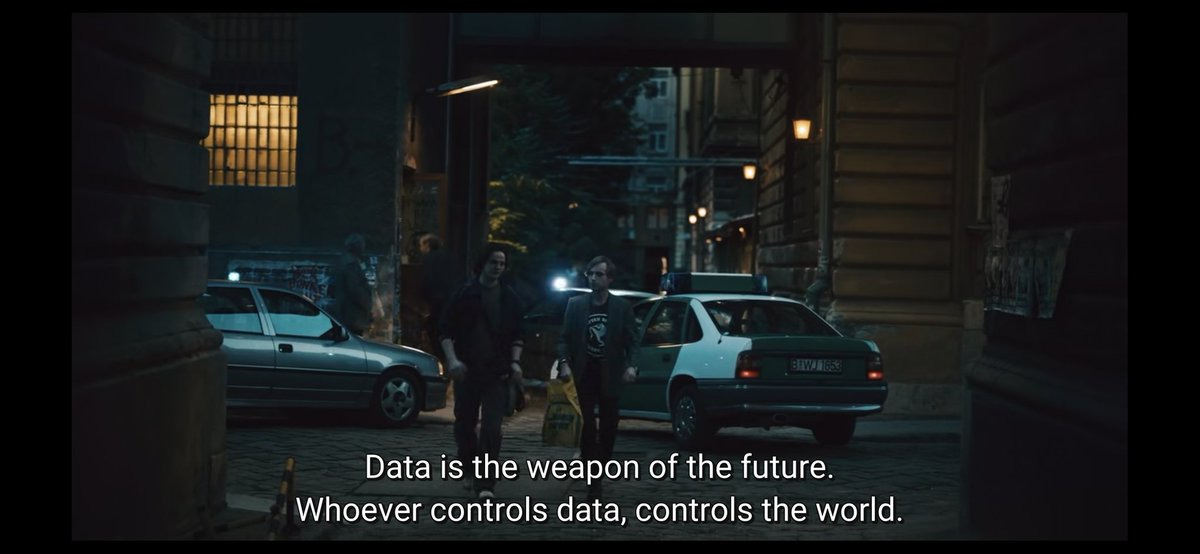
Netflix - The Billion Dollar Code
Here’s a snippet of my favorite quote from the series!
See you next Sunday!
xoxo